
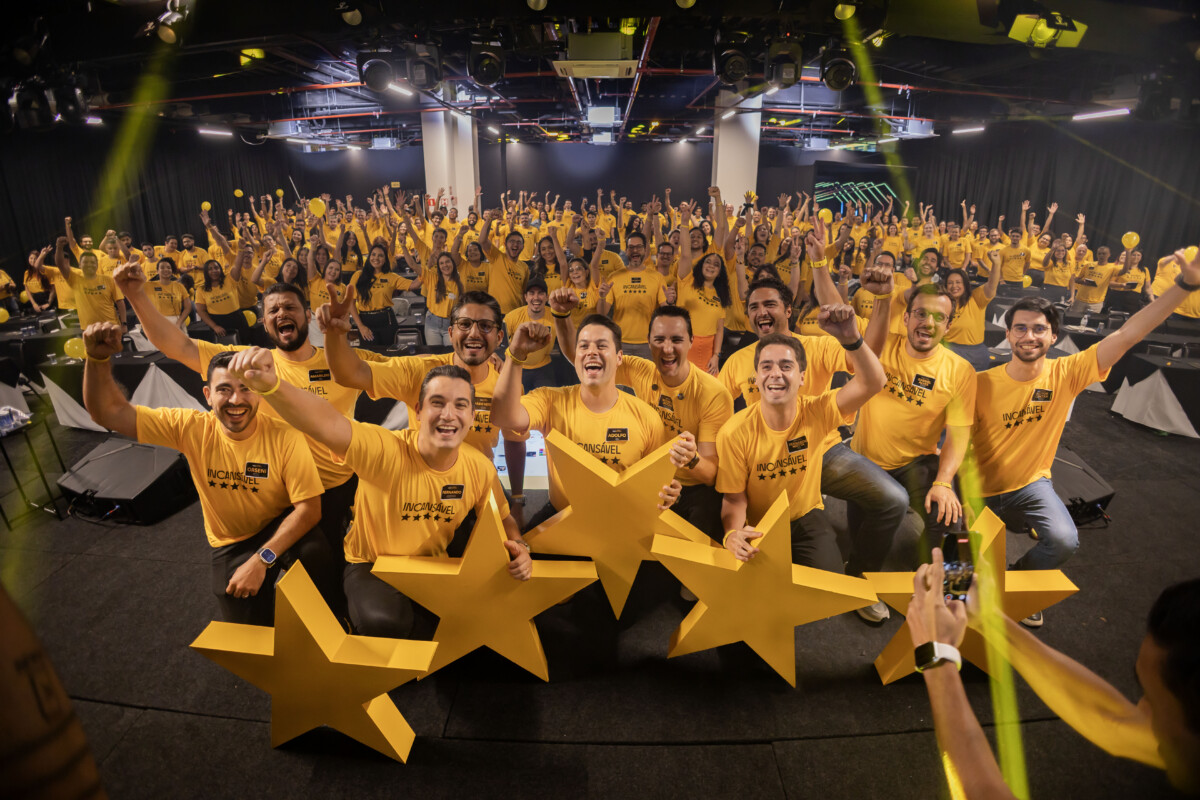
Do you really know how to turn your corporate events into a success? Measuring results goes far beyond simply checking numbers; it's about understanding whether the event truly met its business objectives.
For organizations that invest in corporate events, evaluating success means analyzing whether the audience was impacted as planned and whether the return justifies the investment. In other words, in addition to keeping the audience engaged on the day, it is essential to collect feedback and monitor key indicators that guide improvements for future editions.
With this information in hand, your team gains valuable insights to adjust future strategies. Let's explore some actions that can make all the difference!
Key performance indicators (KPIs)
To assess the impact of an event, it is essential to define clear indicators during the planning phase. Key Performance Indicators (KPIs) are strategic metrics that measure performance against the established objectives. For example, the number of confirmed and attended participants indicates the event's ability to attract an audience.
It is also important to monitor the level of engagement in interactive activities, such as live questions, polls, and networking opportunities.
Participant feedback – collected through satisfaction surveys or the Net Promoter Score (NPS) – is another indispensable KPI, as it reveals the strengths and opportunities for improvement in the experience. In addition to these, also consider:
- Return on investment (ROI): Calculate the ROI by comparing the event costs and benefits obtained. This includes direct revenue, savings generated, or even the intangible value to the brand.
- Lead generation and conversions: Count how many qualified leads or sales resulted from the event. This KPI shows the direct impact on business. The more business opportunities generated, such as scheduled demos, collected registrations, or initiated sales, the more effective the event was.
- Reach on social media: Monitor mentions, interactions, and follower growth across platforms. Social media amplifies the event – measuring how many posts were tagged with your hashtag or how many people commented helps quantify the online impact.
- Public satisfaction: Use post-event surveys (online or paper) to measure aspects such as the quality of the talks, structure, and organization. Ask directly: "Would you recommend this event to a colleague?" – this question is known as NPS (Net Promoter Score).Net Promoter Score), It differentiates promoters from detractors.
- Meeting defined goals: Each event has specific objectives, so it's important to choose KPIs that make sense within the context. If it's an internal awards ceremony, evaluate the level of recognition; if it's a training event, measure the number of certificates issued. Avoid relying on a single metric – combine complementary indicators aligned with your strategy.
Choosing the right KPIs requires aligning them with the event's objectives. KPIs don't have to be just sales figures – they can involve email open rates, lead quality, or even operational issues. The important thing is that each indicator concretely reflects whether the event met the organization's expectations.
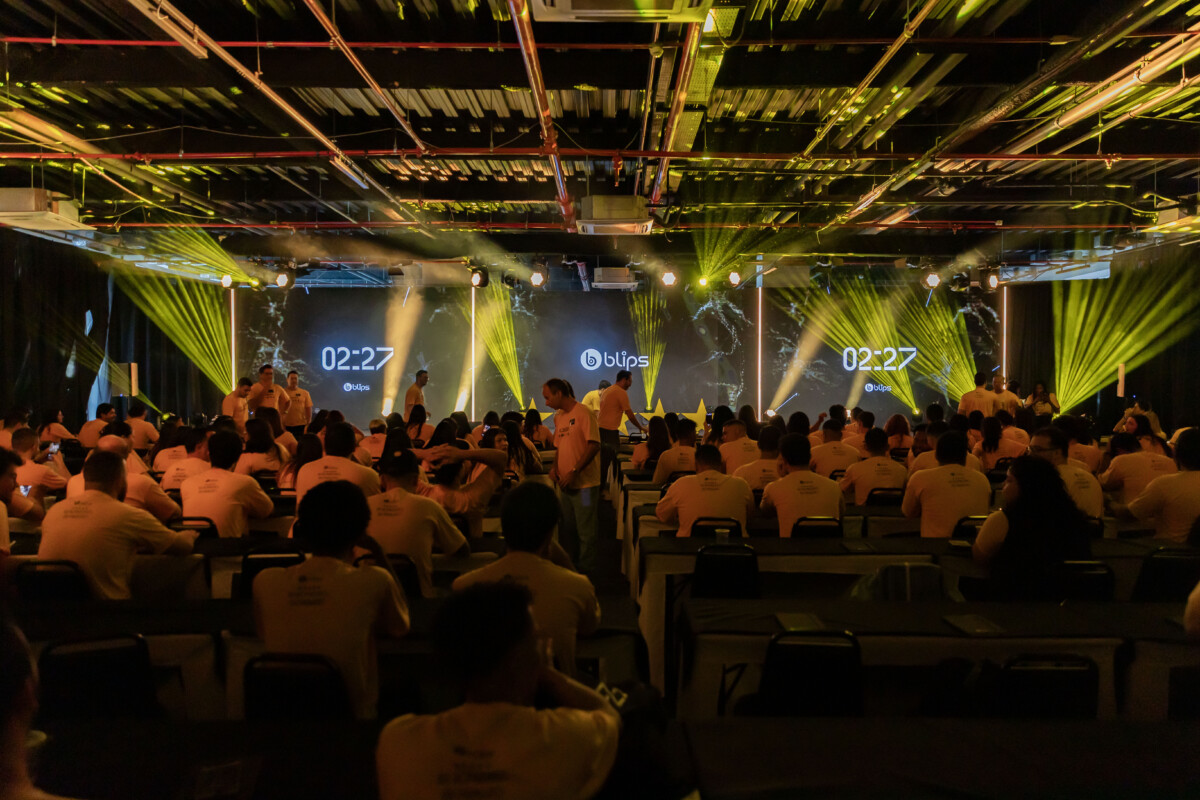
Assessment tools and methods
To collect this data, there are several tools and methods available. Use digital solutions to obtain accurate metrics in real time and at the end of the event, such as event management platforms that provide check-in reports, contact collection, and interaction dashboards. In parallel, don't underestimate simple methods: control spreadsheets, online forms, and even physical suggestion boxes can contribute to data analysis.
Furthermore, there are specific engagement tools: event apps allow you to conduct live polls and track participant movement. Exhibitors can use QR codes to collect leads, and you can monitor the official hashtag on social media with dashboards to measure reach and overall sentiment.
- Post-event satisfaction survey: Send out short questionnaires with objective questions (1/0 scale) and one open-ended question. This generates quantitative data (NPS, average scores) for statistical analysis.
- Event platforms: Systems like Sympla or Eventbrite offer statistics on tickets sold, tickets scanned, and confirmation email responses.
- Web and social analytics: Tools like Google Analytics, Google Tag Manager, and social media management software show where visitors came from, clicks on calls to action, and engagement on posts.
- Digital marketing metrics: Monitor open and click-through rates on invitation emails; high click-through rates with low conversion rates may reveal a misalignment between audience and offer. But be aware: vanity metrics (likes or isolated followers) only matter if they are related to the objectives.
- Customized data analysis: Use spreadsheets or dashboards (Excel, Power BI, Tableau) to cross-reference information: for example, compare costs vs. revenue generated (ROI) or the number of leads per activity at the event.

Post-event analysis and improvements
At the end of the event, gather all the data and compare it to the defined goals. Generate clear reports with KPIs, total participants, satisfaction level, leads generated, ROI, among others. Review the results with the team to understand what worked well and what can be improved.
In short, measuring the success of a corporate event requires planning, well-defined KPIs, and efficient data collection tools. Thus, each indicator becomes practical learning for improvement. upcoming events.
Remember to document everything so that, at the next event, you can compare the metrics and prove the progress.
Host your event with us:
At Center Convention, you have the support of a team that has already organized thousands of events and can help you with your planning. Furthermore, our location—within one of the largest mixed-use complexes in Brazil—attracts more sponsors who want to connect with relevant events.
You can also check out all the infrastructure and services available at the Convention Center and throughout the Center Shopping Complex by speaking with our team. Contact us via WhatsApp at (34) 3239-8300 or email comercial@epsempreendimentos.com.br. You can also reserve a date by clicking [here]. HERE.