When it comes to events, stage production plays a crucial role in creating an engaging and impactful atmosphere. Whether for social or corporate events, it's essential to have an attractive stage that matches the event's objective.
From intimate social gatherings to large corporate conferences, stage production is responsible for ensuring that everything runs smoothly, providing an unforgettable experience for participants.
Therefore, to support those professionals who are in the process of producing an event stage – or anyone interested in the subject – this content offers five essential tips.
Keep reading and find out.
What does a stage production involve?
First, let's understand what stage production is all about. In general, it encompasses a series of elements that work together to create a visually captivating and functional environment.
This includes everything from the placement of audio and lighting equipment to the organization of the physical space of the stage and backstage areas. An effective production requires meticulous planning and precise execution to ensure that all aspects of the event flow harmoniously.
When designing a stage for an event, for example, you need to pay attention to the following points:
- Stage design
- Technical equipment
- Logistics
- Stage schedule
- Essays and tests
- Safety
Stage production for social and corporate events: is there a difference?
But you might be wondering: is this production suitable for any type of event? While the basic principles of stage production apply to both social and corporate events, there are some important distinctions to consider.
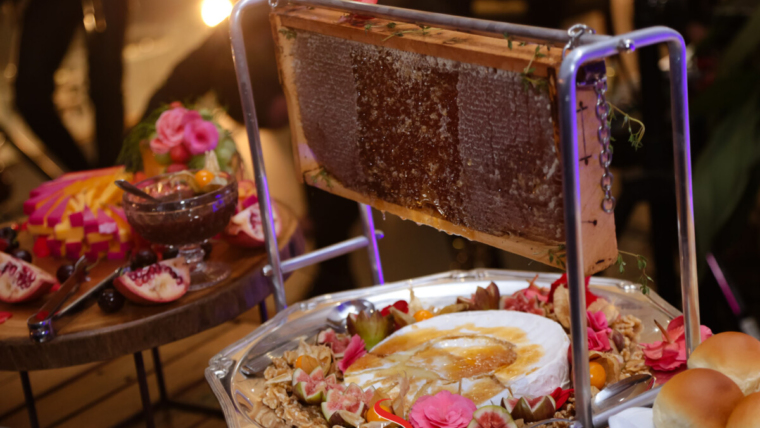
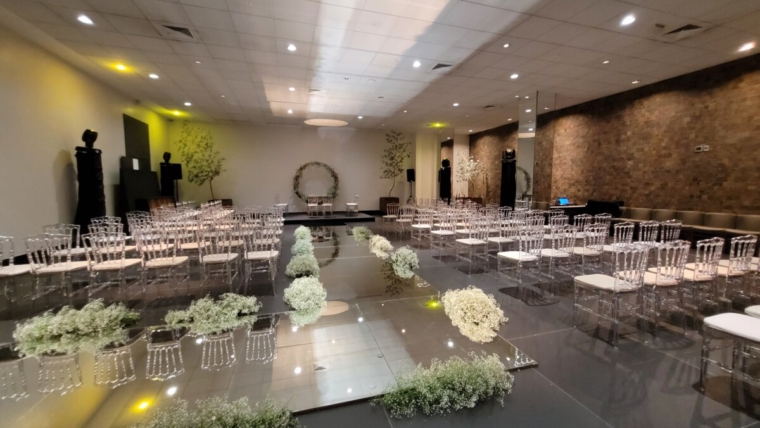
For example, social events, such as weddings and birthday parties, tend to focus more on creating an intimate and emotionally engaging atmosphere, using photos and videos of the couple or birthday celebrant on a screen. And, typically, they don't involve such an extensive or complex program.
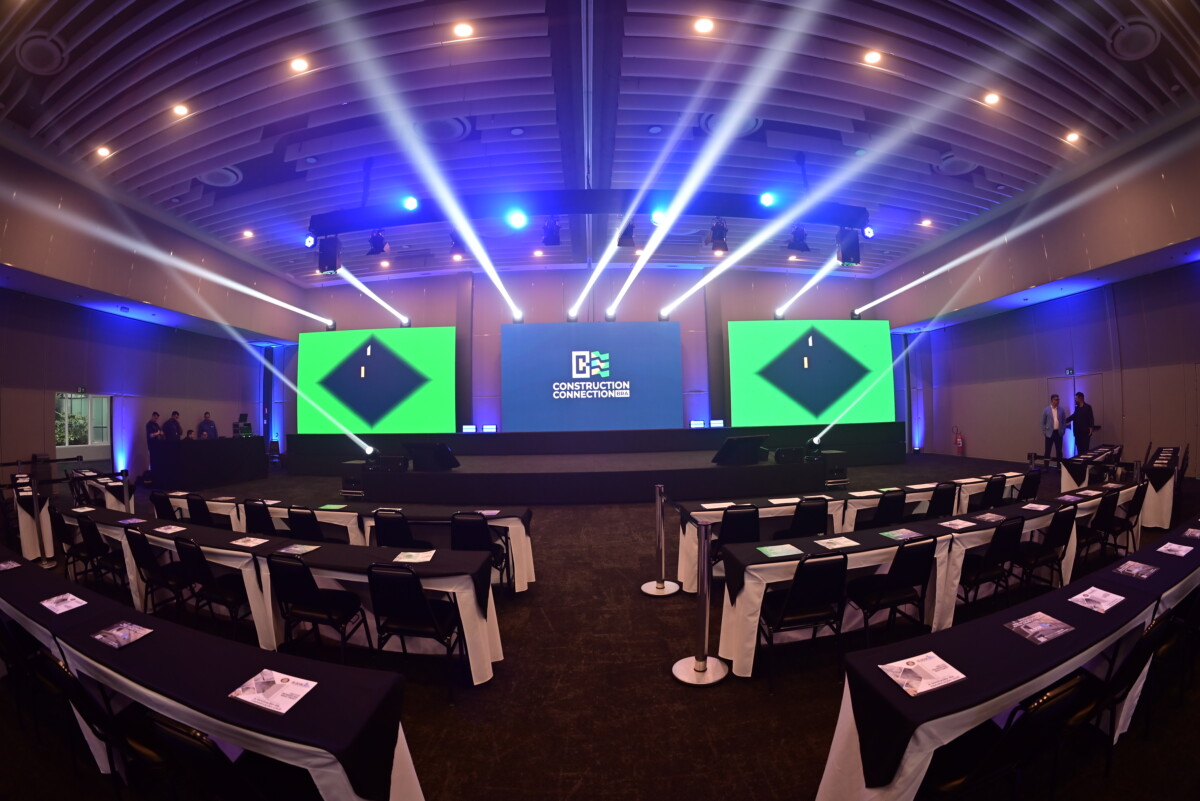
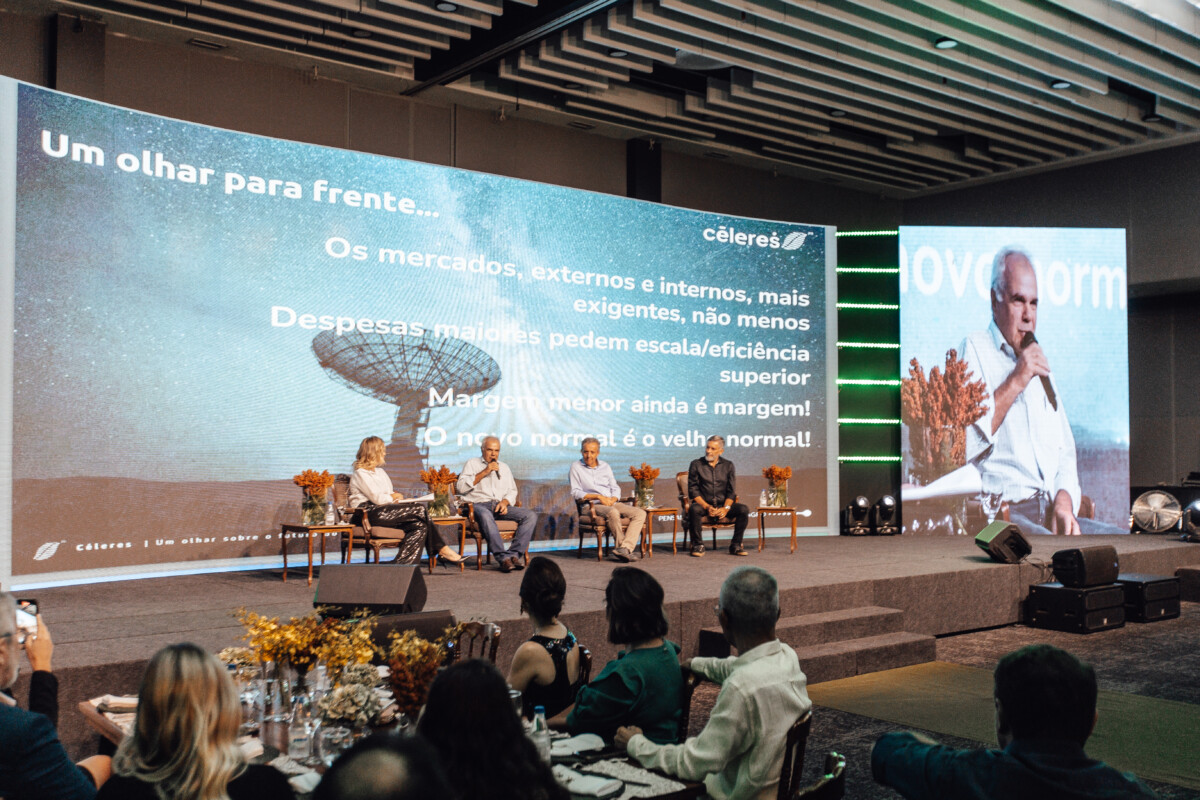
On the other hand, corporate events, such as conferences and product launches, prioritize clear and effective communication, often requiring cutting-edge technology and sophisticated audiovisual resources. They also feature diverse speakers, announcements, and interactive elements that make the program more extensive.
Tips for avoiding mistakes in stage production.
Now that you understand a little more about what a stage production is and what it involves, it's time for you to check out tips on how to succeed in this task. Check it out:
Count on a qualified team focused on stage management.
According to a survey by GetNinjas, the demand for event professionals grew by 67.21% in January in Brazil. Among these service providers are those responsible for designing, assembling, and managing the stage for an event.
Therefore, it is essential to search well in advance for qualified professionals for this role, who will ensure that all technical and logistical aspects are handled efficiently. This includes everything from coordinating equipment suppliers to resolving last-minute problems. A well-trained and experienced team can make all the difference to the success of the event.
Invest in technology and visual elements.
Technology plays an increasingly important role in stage production, offering opportunities to create immersive and impactful experiences. From projection mapping to surround sound systems, the possibilities are virtually endless.
Investing in cutting-edge technology and creative visual elements can elevate your event and impress attendees.
Understand the objective of your event.
Before you begin planning your stage production, it's crucial to clearly understand the objective of your event. This will help guide all design and production decisions, ensuring that each element contributes to achieving the desired results.
For example, if your event is about launching a new product or service, images and videos related to it should be displayed on the screens at all times. Additionally, it's important that the campaign colors are also present in the event's design.
Likewise, if the goal of your event is to be immersive, dynamic, and interactive, then a 360º stage is worthwhile, as it allows for this interactivity.
Have a script and schedule for the stage.
A detailed script and precise scheduling are essential to ensure the event runs smoothly. This includes not only the order of presentations and speeches, but also transition points and necessary technical changes. A well-planned script helps keep the event on schedule and minimizes the risk of unforeseen problems.
Complete all necessary tests and procedures.
Before the event, it's essential to conduct thorough tests and run-throughs to ensure everything is working as planned. This includes testing audio and lighting equipment, rehearsing presentations – or shows – and simulating transitions between different moments of the event. Remember: the more preparation and rehearsal done in advance, the lower the chance of problems during the actual event.
Host your event with us.
The Center Convention space adapts to a wide variety of events, so when organizing an event, count on us! You can check out all the infrastructure available at the Convention and throughout the Center Shopping Complex by talking to our team. Call us at (34) 3239-8300 or email comercial@centerconvention.com.br. You can also reserve a date by clicking [here]. HERE.