The corporate events sector is rapidly advancing, driven by technology, the pursuit of more personalized experiences, and the increased value placed on ESG practices. In practice, this translates into events with fewer lengthy lectures and more focused exchanges, the use of digital platforms for audience management, activations designed for specific groups, and decisions based on real-time data.
Hybrid formats, intimate experiences, and the strategic use of technology have ceased to be fleeting trends and have become standard part of corporate event planning.
Below, we present an overview of the main trends that are expected to shape events in 2026 — and how Center Convention combines structure, technology, and versatility to make these formats viable with efficiency and quality.
What already works and will continue to work in corporate events.
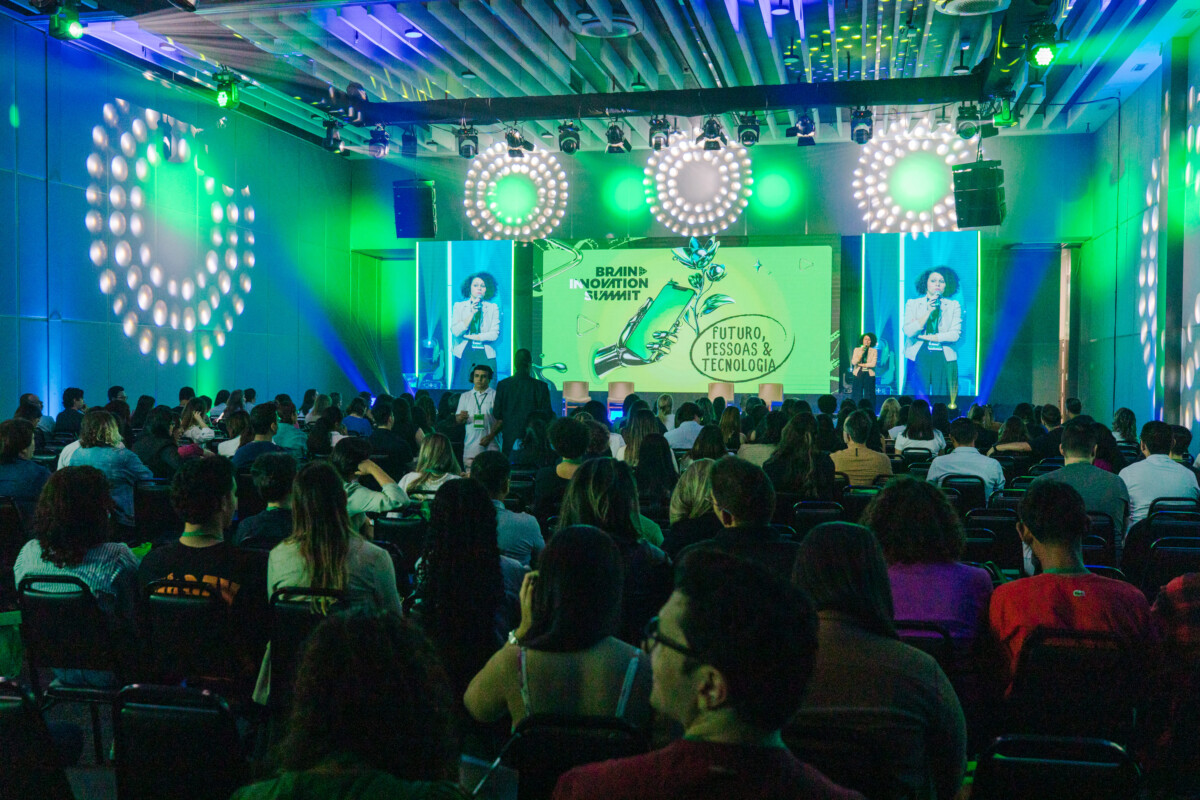
Some solutions have already become established in the market and remain safe bets for corporate events, especially when the goal is to create impact, engagement, and measurable results. Among the most used resources are:
- Projection mapping and 360° video, applied in dynamic set designs, event openings and product launches;
- Spatial audio and zoned sound systems, which allow for the customization of experiences in different environments within the event;
- Programmable aroma diffusers (scent marketing), especially in lounges, networking areas and immersive experiences;
- Tactile surfaces and interactive installations, such as touchscreens, sensory tables and digital panels;
- Augmented reality (AR) and interactive mirrors, used for product demonstrations and brand activations;
- Interactive platforms, such as apps, dynamic QR codes, and beacons, which connect physical stimuli to data collection and analysis.
Technologies and formats that already deliver results and remain cornerstones of corporate events.
See also: What cannot be missing from the structure of an event
What will shape events in 2026?
More dynamic, interactive events designed for segmented audiences are gaining ground, and all indications suggest this will be a strong trend in events in 2026. Beyond agility, there's a growing demand for truly engaging experiences. Immersive scenography, sound and light combinations, tactile activations, and even aroma elements are gaining prominence because they help transform content into experience—and experience into memory. Participants don't just want to watch; they want to feel like they were part of something meaningful.
Data collection: Measurement and clear objectives
For sensory experiences to generate real results, it is essential to define clear objectives and key performance indicators (KPIs) from the planning stage. Key KPIs include average dwell time per activation, visitor-to-lead conversion rate, customer satisfaction with the experience, number of interactions per device, and meetings or sales generated post-event.
This data is collected through presence sensors, QR code tracking, beacons, or ultrasound, as well as reports from event applications. When well-structured, these metrics allow for real-time strategy adjustments, increased audience engagement, and optimized return on investment.
Sustainability
Sustainability has gone from being a trend to a requirement in corporate events. Companies and sponsors expect concrete actions to reduce carbon footprint, adopt responsible suppliers, minimize waste, and communicate these practices transparently. Measures such as menus with local ingredients, rational use of energy, optimized transportation, recyclable set design materials, and proper waste disposal are already part of the criteria for choosing venues and suppliers.
Accessibility and inclusion
At the same time, the sophistication of experiences needs to go hand in hand with inclusion and well-being. More conscious events consider accessibility from the planning stage, with appropriate pauses in the program, options for controlling sound intensity, tactile signage, subtitles, simultaneous translation, and attention to different audience profiles. Documenting and communicating these practices reinforces the event's credibility and increases the perceived value for participants.
Sensory design and immersions
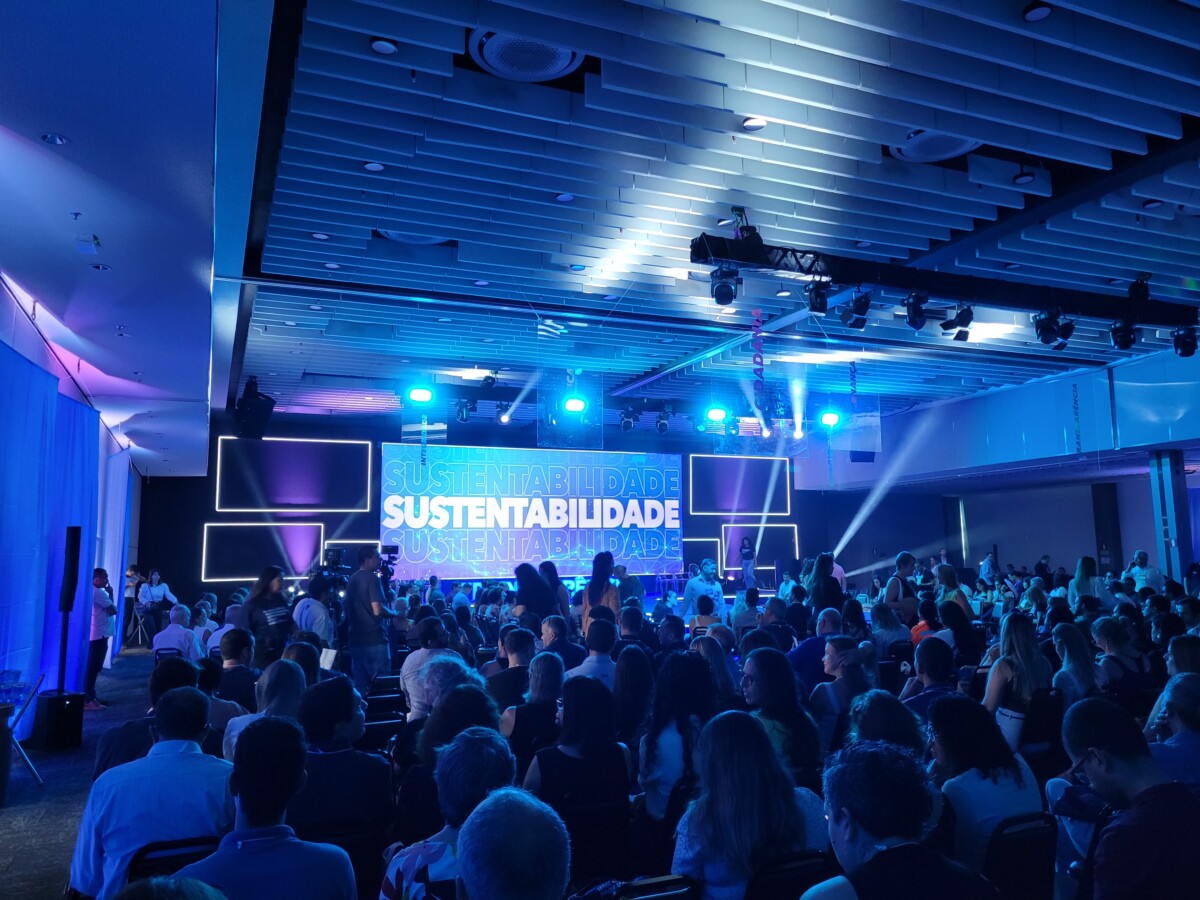
Multisensory events—with light, sound, texture, aroma, immersive video, and interactivity—will be key players in events in 2026 because they facilitate brand memorization and differentiation. A successful sensory experience combines: a clear briefing, a participant journey map, a technical script (sound/light/aroma zoning), and scaled testing before opening. Applicable examples:
- Product workshop: Practical session with a tactile station + AR to test use cases;
- Trade fair sector: Themed corridors with distinct soundtracks and aroma points linked to product categories;
- Congress: Plenary session with immersive opening (video mapping) to tell the brand's story before the panels.
Look How to incorporate experience design into in-person events
Trends in formats and technology
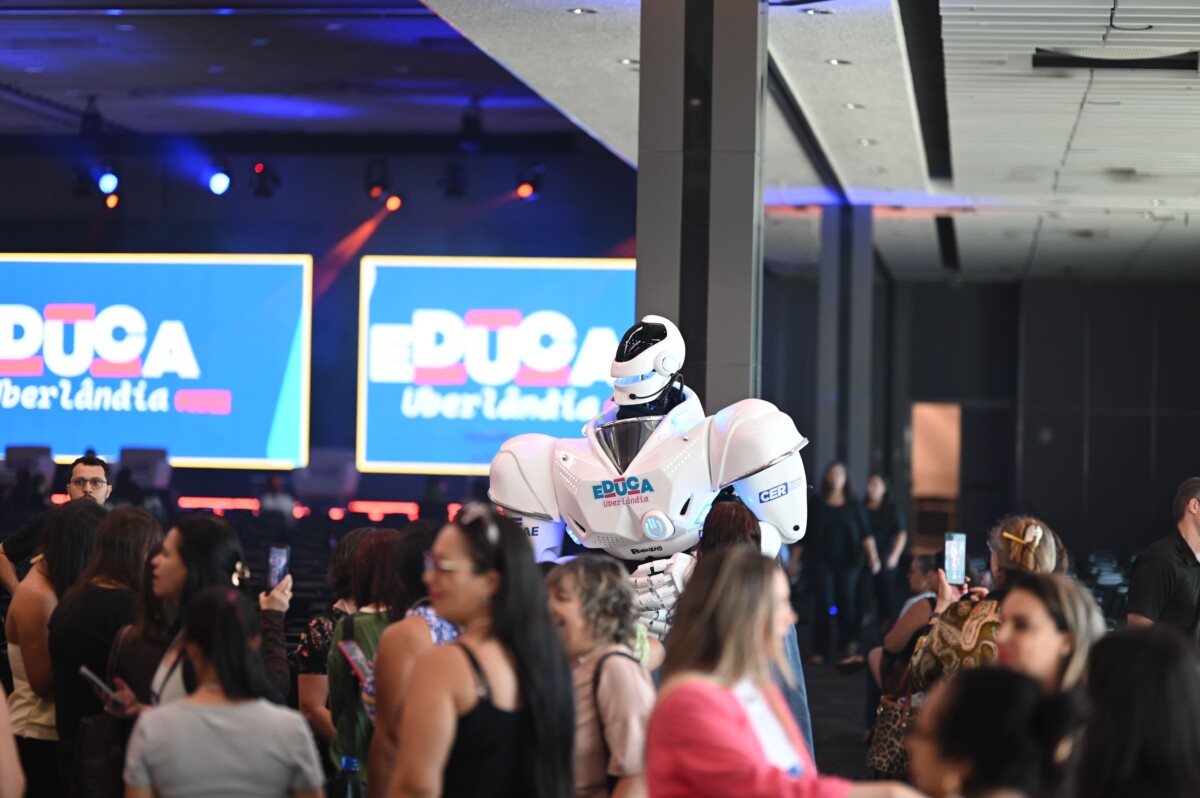
Technology is taking on a strategic role in corporate events, moving beyond mere technical support to designing the participant's journey. Resources such as artificial intelligence, chatbots, management platforms, and applications allow for the creation of personalized agendas, real-time answers to questions, and adjustments to the flow, schedule, and dynamics of event spaces, making the experience more efficient and precise.
At the same time, event formats are evolving to meet the logic of reach, measurement, and results. Live streaming, digital check-in, engagement analytics, and interactive features are consolidating hybrid events and smaller, segmented formats as strategic solutions for lead generation, brand strengthening, and decision-making.
Hybrid integrations
The hybrid format is a strategic solution to broaden the reach and participation of audiences who cannot attend in person, especially at conferences, product launches, internal conventions, and corporate training sessions. The integration between physical and digital environments reduces geographical barriers and allows content to be accessed live or on demand.
In practice, this involves in-person audiences interacting with online participants in real time, live streams with interactive features, digital voting, questions via app, and networking mediated by digital platforms. This concept is called... phygital, which combines physical and digital experiences, makes events more inclusive, measurable, and adaptable, as well as increasing the return on investment for companies and sponsors.
Micro-events and pop-up activations
Smaller, segmented, and short-duration events are emerging as a strategic bet for 2026. Reports from United Way of Pennsylvania e Eventbrite, Data indicates that audiences and organizers have been paying more attention to micro-events since 2023, especially due to their potential for connecting with clients, strengthening partnerships, and fostering qualified supplier engagement. This trend reflects a search for more intentional, personalized experiences focused on concrete results.
These formats are ideal for specific training sessions, brand activations, mentoring, quick business rounds, internal launches, solution demonstrations, and relationship-building meetings with clients or strategic partners. Pop-up activations are also becoming a trend, with mini showrooms, temporary stands, and demonstrative experiences that generate high impact without the need for large permanent structures.
Discover Micro-events: what they are and when to invest in them.
The intelligent use of data
The intelligent use of data has become one of the main pillars of corporate events. From planning to post-event, information about audience profile, behavior, engagement, and circulation guides more precise decisions about format, content, activations, and investments.
In practice, the data helps define which experiences make sense for each audience, which areas have the highest traffic, which content generates the most interest, and which actions bring the best return. This cross-referencing of information directly impacts other aspects of the event, such as the personalization of sensory experiences, the choice of hybrid or in-person formats, the sizing of structures, and even sustainability strategies, avoiding waste and excess.
AI and personalized journeys
At events in 2026, participants expect to receive only content relevant to their interests — and artificial intelligence enables this personalization at scale. AI allows for the creation of personalized agendas, suggesting talks and experiences based on participant profiles, connecting people with similar interests, and adapting the program in real time according to engagement.
Beyond audience experience, AI also plays a role in event management, supporting behavioral analysis, automated responses via chatbots, performance reports, and monitoring of indicators such as dwell time, interaction rate, and lead conversion. The result is more efficient events, with more relevant experiences for the audience and more strategic decisions for brands and organizers.
The use of AI for translation and simultaneity at events in the Center Convention.
Why choose Center Convention for your event?
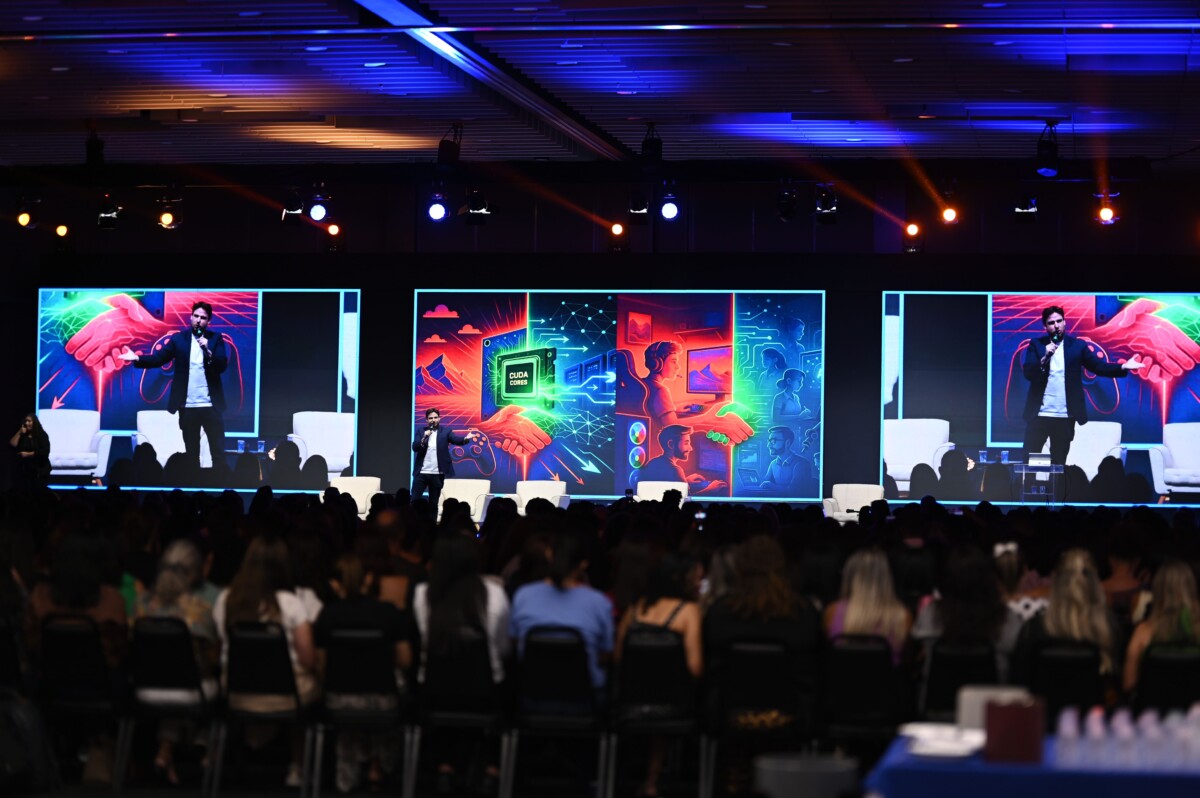
The Center Convention was designed to accommodate different types of corporate events, with solutions that facilitate planning and execution from start to finish. The versatility of the spaces allows it to host everything from micro-events, workshops and exclusive meetings to large-scale trade shows, congresses and conventions, with modular rooms that adapt to the needs of each project.
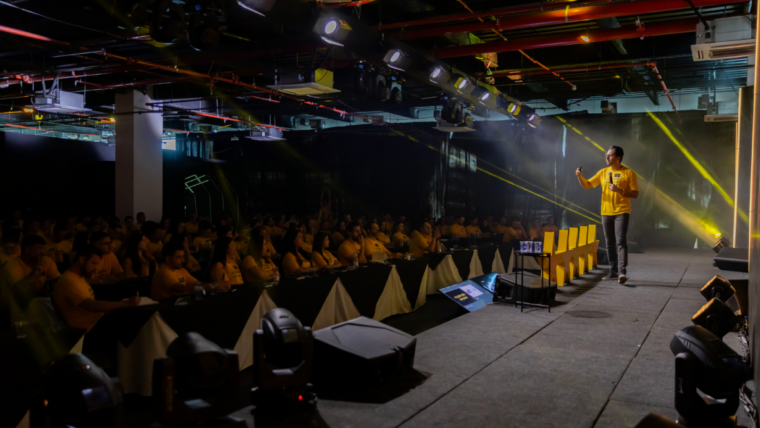
The location, integrated with Center Shopping and the Mercure hotel, ensures convenience for participants, speakers, and teams, concentrating accommodation, food, services, and mobility in a single complex. Furthermore, the space boasts a complete technological infrastructure, including professional sound and image systems, stage lighting, modular climate control, and technical support for hybrid events, sensory activations, and immersive scenography.
With an experienced team and hundreds of events held every year, Center Convention offers operational and technical support at every stage, contributing to more efficient decisions and a seamless experience for the audience. This combination of structure, technology, and expertise allows them to transform trends into well-executed, relevant, and memorable events.
In the 2026 events landscape, standing out means balancing authentic experience, smart technology, and environmental and human responsibility. The Center Convention brings these layers together in a single space, ready to host projects of different scales and objectives.
Ready to transform your next event?
At Center Convention, you'll find a specialized team with over 10,000 events under your belt, and a strategic location integrated into the Center Shopping Uberlândia complex. Let's create an event together that your guests will never forget. Contact our team now via WhatsApp at (34) 3239-8300 or reserve your date. Click here.
SUMMARY: Types of events that are gaining traction and how to organize them effectively.
The types of events that are growing the most in 2026 reflect a more dynamic, technological, and experience-oriented market. Hybrid congresses and seminars, trade shows with sensory activations, product launches with micro-experiences, quick workshops, innovation meetups, ESG forums, and segmented networking events are gaining ground by delivering relevant content, engagement, and measurable results.
With a large hall, modular rooms, outdoor areas, and complete technical infrastructure, the Center Convention adapts to different formats and scales, enabling everything from compact and exclusive events to large trade shows and congresses. This flexibility, combined with specialized support, allows the transformation of the main industry trends into efficient, relevant, and memorable corporate experiences.