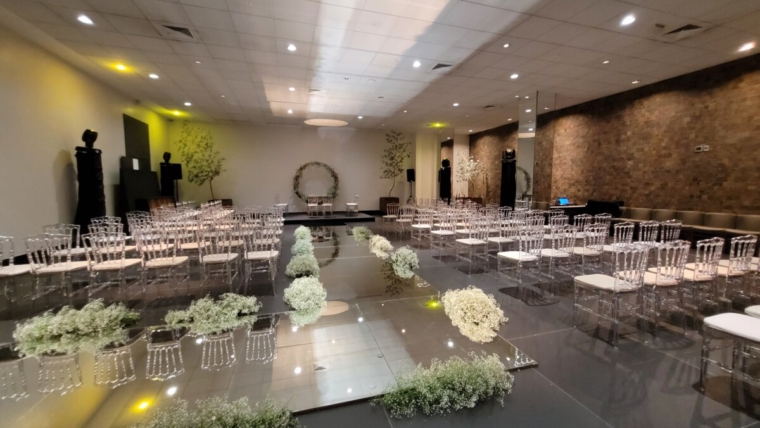
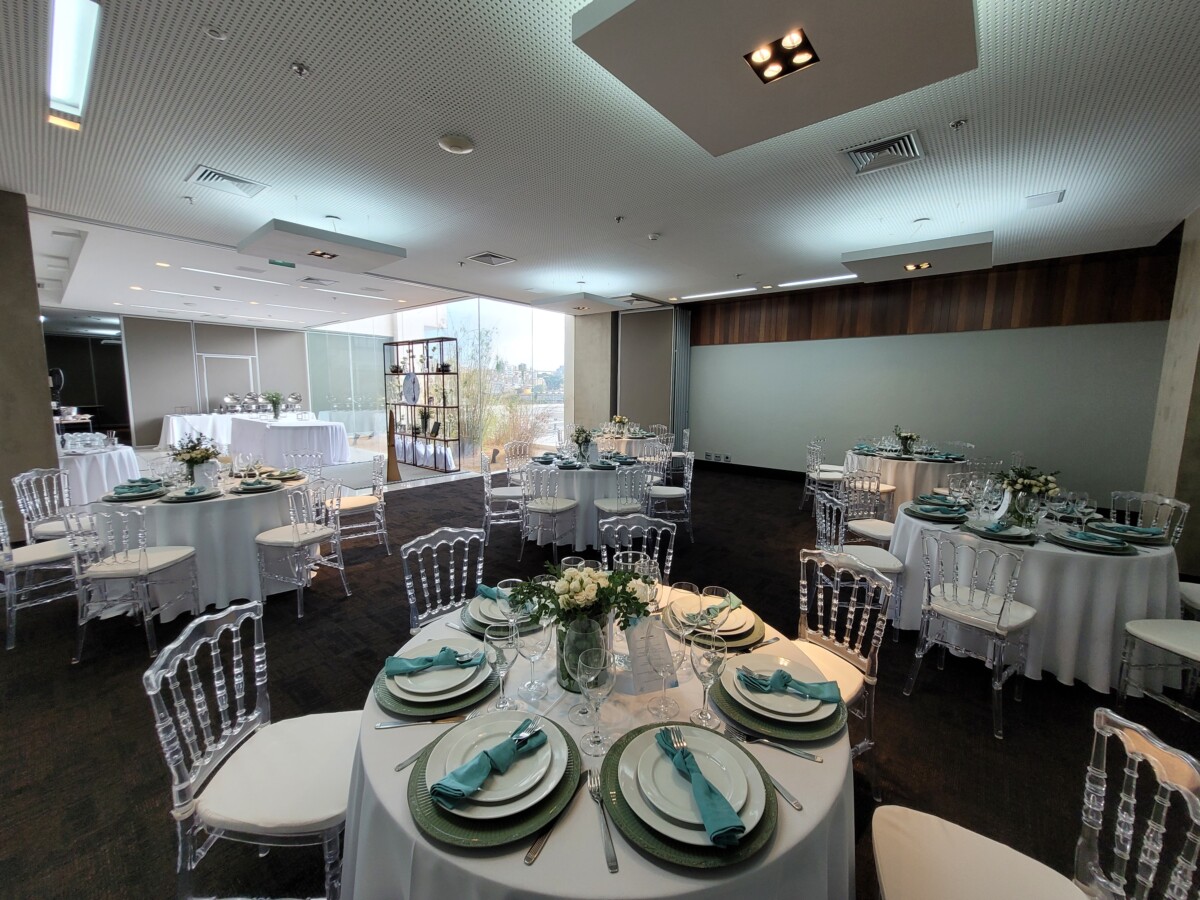
Small event or large event? This can be a key decision when organizing a gathering, whether social or corporate. And to know which is the best option, it's necessary to analyze some issues, such as the objective of the moment and the budget.
To better understand what these micro-events are, why they are trending, and when to invest in them, just keep reading.
What are micro-events?
Micro events are small-scale gatherings, generally with up to 50 participants. Their aim is to provide a more intimate and personalized experience for the guests.
Unlike large events, which can be impersonal and difficult to manage, micro-events allow for more direct and meaningful interaction between participants. It's worth emphasizing that this format can be applied to various occasions, such as corporate meetings, workshops, product launches, intimate weddings, and family celebrations.
Furthermore, another interesting point is that these smaller events are gaining popularity due to their flexibility and ability to create a welcoming and unique atmosphere.
Finally, it's worth emphasizing that this exclusivity and personalization is one of the most striking characteristics of micro-events, since every detail can be adapted to meet the specific needs of the guests.
Advantages of holding a small social or corporate event.
Just as there are advantages to hosting a large-scale event, there are also several positive aspects to micro-events. Among exclusivity, maximizing interaction between participants, and others, we've listed some of these advantages below to show you whether or not it's worth investing in this event format. Check it out:
- Personalized Experience:
This is probably one of the most positive advantages of a micro-event. The ability to offer a highly personalized experience in a smaller setting, knowing the preferences and needs of the guests, is a very positive thing.
- Effective Networking:
For corporate events, micro-events are ideal for networking. Because they involve fewer people, this facilitates communication and the exchange of ideas among participants, fostering stronger and more productive connections.
In this way, instead of trying to interact with hundreds of people, guests have the opportunity to focus on a few quality interactions, which can lead to more meaningful partnerships and collaborations.
- Flexibility:
Problems and unforeseen events can happen at any event, right? In the case of micro-events, with fewer people to manage, it's easier to make last-minute adjustments and adapt the event as needed.
When should you opt for a micro-event?
But how do you know whether or not to opt for a micro-event? The main tip is to analyze the objective of your meeting, what you're looking to achieve with it. But, beyond that, there are some occasions that do call for a more restricted and exclusive event. Check out which types of meetings are perfect for micro-events!
- Corporate Meetings:
If you're planning a corporate meeting, for example, for a company's board of directors, opting for a micro-event is the ideal choice. They are perfect for corporate meetings that require focus, meaningful interaction, and exclusivity.
- Product Launches:
In this case, micro-events can be used to promote an initial phase in the launch of a product, focusing on a specific and more exclusive audience. High-end real estate launches, for example, frequently use this event format. Later, you can hold a larger event, launching the product to a wider audience.
- Personal Celebrations:
Now, speaking of social events, intimate weddings, birthdays, baby showers, or graduation parties are examples of personal occasions that can benefit from a micro-event. In fact, in a post about wedding trends here on the blog, we already talked about mini-weddings and... You can check it out by clicking here.
Tips for organizing one!
Moving on to the practical side, we've gathered some tips for those of you organizing a micro-event to help you create a successful gathering.
- Define the objective of the event:
Before you start planning, it's crucial to clearly define the objective of the micro-event. This will help guide all subsequent decisions, from choosing the venue to the planned activities.
- Choose the right location:
The venue is one of the most important aspects of a micro-event. It must be suitable for the number of guests and the type of event you are organizing. Smaller spaces are ideal options. The Center Convention, for example, has... Rooms that can comfortably and exclusively accommodate a smaller number of people.
- Plan the Logistics:
Even for a small event, logistics are crucial. Organize all the details in advance, including seating arrangements, event schedule, catering, decorations, and ambiance. Furthermore, as with any event, it's necessary to ensure that all suppliers and services are confirmed and that there's a contingency plan for unforeseen circumstances.
- Personalize the Experience:
As we've already mentioned, personalization is key to the success of a micro-event. Therefore, get to know your guests and adapt the event details to meet their preferences and expectations. From the menu selection to the decorations and activities, every element should reflect the tastes and styles of the participants, creating a unique experience. memorable!
Host your micro-event with us.
Interested in holding your micro-event at the Center Convention? You can check out all the infrastructure available at the Convention and throughout the Center Shopping Complex by speaking with our team. Call us at (34) 3239-8300 or email comercial@centerconvention.com.br. You can also reserve a date by clicking [here]. HERE.